
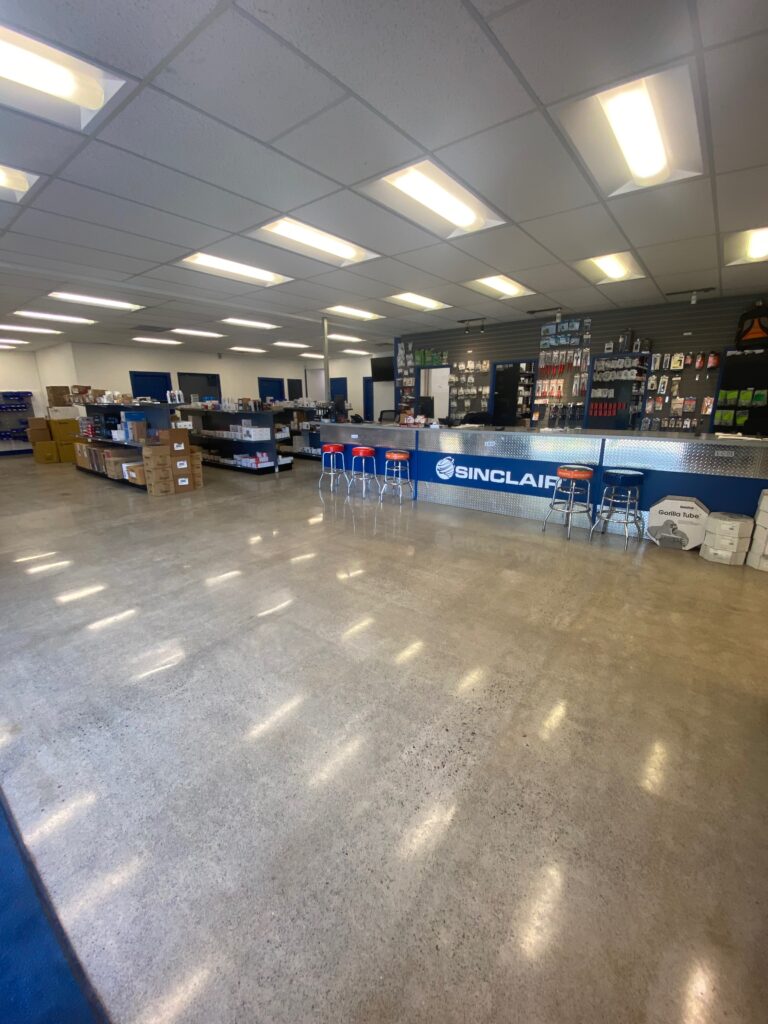
Are you a commercial tenant in Kamloops, Kelowna, or another area of the Okanagan? If so, you might be considering a tenant improvement (TI) project to make strategic upgrades to your newly leased space. Much like standard commercial renovations, these projects help businesses transform a standard space into something that perfectly suits their business. However, tenant improvements also come with unique considerations about project planning, funding, and more. Keep reading to learn more about how tenant improvements work and some important things to keep in mind.
What are Tenant Improvements?
Tenant improvements, sometimes also called leasehold improvements, are strategic upgrades to a leased space to accommodate a tenant’s business. Typically, details around tenant improvements are included in the commercial lease, including who pays for the renovations, what’s allowed, and what approvals are required.
Common Examples of Tenant Improvements
The scope of these projects can vary significantly. For example, a simple tenant improvement project could include installing new flooring in an office space. On the other hand, converting an empty retail space into a full-service cafe would be considered a complex tenant improvement. Some other examples of a tenant improvement project include:
- Reconfiguring interior layouts with new walls or partitions
- Upgrading light fixtures
- Adding washrooms or kitchenettes
- Installing new HVAC, plumbing, or electrical systems
- Improving accessibility to meet BC Building Code standards
It’s important to note that tenant improvements are typically limited to permanent fixtures and finishes. Furniture, appliances, and specialty equipment are not usually included and remain the responsibility of the tenant.
How are Tenant Improvements Different From Commercial Renovations?
While tenant improvements and commercial renovations share some principles, they differ in an important way: tenant improvements always involve a tenant (lessee) and a property owner (lessor).
Commercial renovations, by contrast, can include any type of work done in a commercial space, whether a tenant is leasing the property or the owner occupies the building and operates their own business. In other words, all tenant improvements are commercial renovations, but not all commercial renovations are tenant improvements.
With tenant improvements, the relationship between the landlord and tenant plays a major role in how the project unfolds. The property owner must authorize the work, stay informed about changes, and ensure that construction aligns with lease terms and municipal requirements. Clear communication between both parties is essential to keep the project compliant, on schedule, and within budget.
Tenant Improvements in Kamloops and Kelowna
Both Kamloops and Kelowna have seen steady commercial growth in recent years, particularly in industries like healthcare, retail, hospitality, and professional services. As new businesses move into existing commercial units or expand into larger spaces, tenant improvements play a key role in adapting buildings to modern operational needs.
Many commercial properties in the Interior BC region were built years ago, which means many of these spaces do not meet BC Building Code requirements. As such, tenant improvements might also involve bringing spaces up to code by performing electrical, HVAC, and other upgrades.
Looking for a commercial renovation contractor based in Interior BC? The Interior Elite team is experienced with local regulations and requirements for all kinds of commercial properties. Check out our guide on finding a reliable partner for commercial construction in the Okanagan to learn what to look for before starting your project.
Who Pays for Tenant Improvements?
The cost of tenant improvements is usually governed by the commercial lease agreement, and understanding these terms early can help avoid confusion during planning. There are three main ways TI projects are typically funded:
- Landlord?funded improvements: The landlord pays for upgrades that add long?term value to the property, such as structural modifications, building systems, or base?build preparation.
- Tenant?funded improvements: The tenant pays for business?specific changes such as branded finishes, specialty fixtures, or layouts tailored to their operations.
- Tenant improvement allowance (TIA): In many leases, the landlord provides a set financial contribution (for example, a dollar amount per square foot) toward the project. If the total cost exceeds this allowance, the tenant pays the difference.
Because lease terms vary, tenants should review their rental agreement carefully and clarify which work requires landlord approval before starting a commercial renovation.
Tenant Improvement and Commercial Renovation Contractor in BC
If you’re planning a tenant improvement or a commercial renovation in Kamloops, Kelowna, or elsewhere in Interior BC, partnering with an experienced contractor early can save you time, stress, and unexpected costs. The team at Interior Elite has hands-on experience with tenant build-outs, local permit processes, and BC Building Code requirements for a wide range of commercial spaces. Contact us today to discuss your lease, timeline, and budget. Let’s get started on turning your space into something special!
